
Understanding the Impact of the 3D Pergola Configurator
The 3D pergola configurator has revolutionized how homeowners and designers approach outdoor living spaces. With the ability to visualize projects in real-time, this innovative tool dramatically simplifies the design process. Homeowners can see various options, materials, and layouts without the need for lengthy consultations or extensive modifications after the fact. For those seeking to enhance their outdoor areas, exploring options like the configuratore 3D pergola can provide comprehensive insights on creating their dream pergola.
What is a 3D Pergola Configurator?
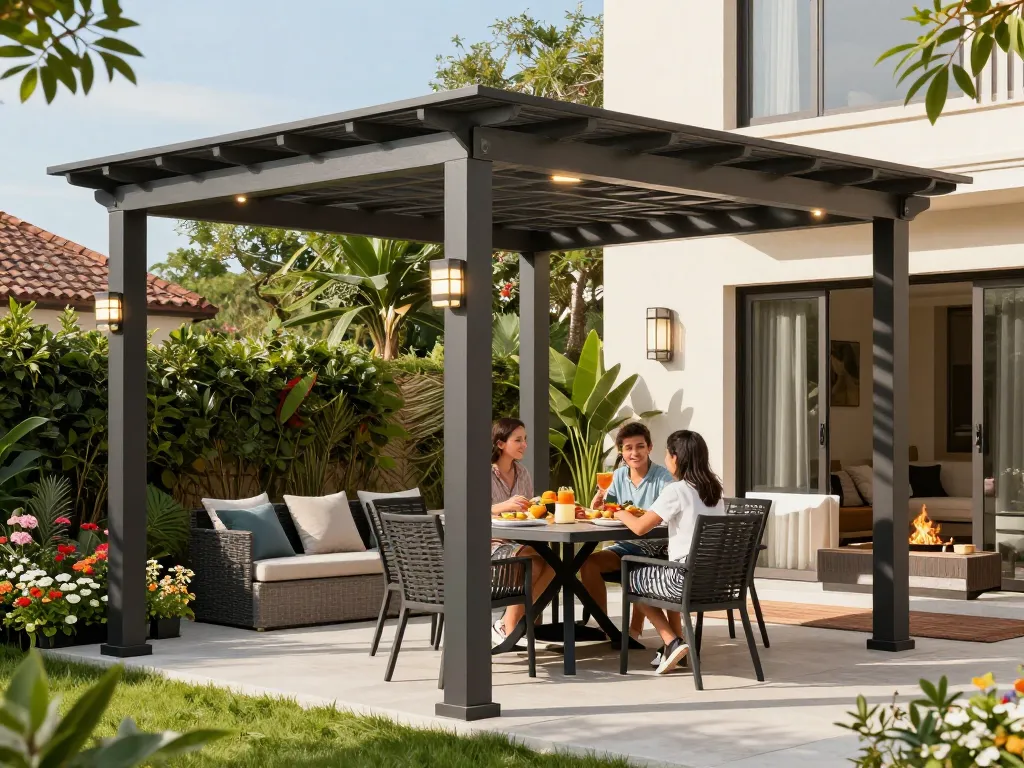
A 3D pergola configurator is a digital tool that allows users to design and visualize pergolas in a three-dimensional format. Using advanced software, customers can select various design elements, such as size, shape, materials, colors, and additional features like lighting and shading systems. By creating a virtual representation of the pergola, users can make informed decisions about their outdoor spaces before construction begins.
Benefits of Using a 3D Pergola Configurator
There are numerous advantages to employing a 3D pergola configurator:
- Visual Clarity: Users can see exactly how their pergola will look in the context of their outdoor area.
- Customization: The configurator allows for extensive customization, ensuring that each pergola meets personal preferences and requirements.
- Time Efficiency: Homeowners can save time by reducing the number of design meetings and iterations with contractors.
- Cost Estimation: Many configurators provide real-time cost estimates based on the selected configurations, helping clients stay within budget.
How 3D Configurators are Changing Outdoor Design
The integration of 3D configurators into outdoor design has significantly transformed the industry. Designers can now spend less time on conceptual drawings and more on dynamic interactions with clients. This technology enhances communication, allowing customers to express their ideas more clearly and ensuring that the final design aligns with their vision. Furthermore, it democratizes design by making advanced planning accessible to non-professionals.
Key Features to Look for in a 3D Pergola Configurator
Customization Options for Your Pergola Design
One of the standout features of a quality 3D pergola configurator is its level of customization. Users should look for options that allow:
- Various structural styles (traditional, modern, etc.)
- A selection of materials (wood, aluminum, etc.)
- Different colors and finishes
- Integrated features like retractable roofs, LED lighting, and side screens
Integration of Modern Technology
Modern 3D configurators should leverage cutting-edge technologies such as virtual and augmented reality. This enhances the user experience by providing a more immersive visualization of the design within their actual outdoor space. Additionally, cloud computing capabilities can allow for real-time collaboration between clients and designers, making adjustments and feedback instantaneous.
User-Friendly Interfaces and Experience
User experience is crucial when selecting a configurator. A well-designed interface enables users to navigate the tool with ease, ensuring that even those with minimal technical skills can create their desired designs. Features such as drag-and-drop elements, intuitive menus, and comprehensive help sections can significantly improve the configurator experience.
Step-by-Step Guide to Using a 3D Pergola Configurator
Getting Started with Your Design
To start designing your 3D pergola, follow these simple steps:
- Choose Your Configurator: Select a reliable 3D configurator that meets your needs and preferences.
- Set the Dimensions: Input the desired dimensions for your pergola to begin the design process.
- Select Your Style: Browse through the different styles available and select one that resonates with your aesthetic.
Selecting Materials and Colors
Next, you will want to focus on the materials and colors:
- Consider the durability of materials in relation to your local climate.
- Choose colors that complement your existing outdoor decor and landscape.
- Experiment with different combinations to see what appeals to you most.
Finalizing Your Design and Getting Quotes
Once you’ve completed your design, it’s time to finalize it. Many configurators allow you to:
- Review your design in different views (top-down, 3D renderings, etc.)
- Make adjustments to dimensions, materials, and features as needed
- Request quotes directly through the configurator for various design options
Real-World Applications and Success Stories
Case Studies of Successful Pergola Installations
Many homeowners have successfully utilized 3D pergola configurators to enhance their outdoor spaces. For example, a family in Arizona used a configurator to design a large bioclimatic pergola that provided both shade and ventilation, significantly improving their backyard’s usability during the hot summer months. By visualizing their options through the configurator, they customized every detail, leading to high satisfaction with the final product.
Transformative Benefits for Homeowners
The transformative nature of 3D configurators extends beyond aesthetics. Homeowners report increased enjoyment of their outdoor areas, as well as a rise in home value due to professional-quality installations. Furthermore, these tools can help streamline communication with contractors, reducing the common discrepancies seen when design concepts are translated into physical structures.
Lessons Learned from 3D Configurator Users
Feedback from users of 3D configurators often highlights the importance of starting with a clear vision and understanding of their space. Lessons include:
- Considering the impact of seasonal changes on outdoor usage.
- Prioritizing functionality alongside aesthetics in design choices.
- Using the configurator’s features to experiment with multiple designs before settling on a final version.
Future Trends in Pergola Design and 3D Configurators
Emerging Technologies and Their Role
As technology advances, the capabilities of 3D configurators will only improve. Expect to see:
- Enhanced virtual reality interfaces that allow users to ‘walk through’ their designs.
- Increased use of artificial intelligence to suggest design elements based on user preferences.
- Greater integration with smart home technologies to facilitate automated pergola features.
Predictions for the Outdoor Living Market in 2026
The outdoor living market is poised for continued growth in 2026, driven by a combination of increased consumer interest in home improvement and technological innovations. The demand for customizable outdoor spaces will likely lead to further advancements in 3D configurators, making them even more user-friendly and feature-rich.
How to Stay Ahead in Pergola Design Trends
To stay aligned with emerging trends, homeowners and designers should:
- Keep informed about the latest materials and technology in outdoor living.
- Utilize configurators to experiment with styles that incorporate eco-friendly and sustainable materials.
- Adapt designs to meet the evolving needs of outdoor living, such as integrating outdoor kitchens or entertainment areas.
What are the costs associated with a 3D pergola?
The costs of a 3D pergola can vary significantly based on materials, size, and design complexity. On average, homeowners may spend between $500 to $2,500 for smaller models and upwards of $10,000 for larger, more intricate designs.
How customizable are 3D pergolas?
3D pergolas can be highly customizable. Users can adjust dimensions, select materials, add features such as retractable roofs, and even incorporate built-in lighting to create a bespoke outdoor structure.
Do I need professional help for my 3D pergola design?
While many find configurators intuitive enough to use without professional guidance, consulting with a designer can help fine-tune specific aspects, especially for more complex designs. Engaging an expert ensures adherence to local building codes and regulations.
What materials are recommended for durable pergolas?
Durability is crucial when selecting materials for a pergola. Common options include:
- Pressure-treated wood for a classic look
- Aluminum for a modern aesthetic and low maintenance
- Vinyl for longevity and resistance to weather elements
How do seasonal changes affect pergola usage?
Seasonal changes can influence pergola usage significantly. For instance, pergolas with adjustable features can provide shade during hot summers and shelter during light rain, maximizing their use throughout the year. Understanding these needs can guide homeowners in choosing the right design elements.