
Understanding the Popularity of Custom Pins
In recent years, custom pins have surged in popularity, becoming a beloved accessory for many individuals and organizations alike. These small, decorative items not only serve as personal expressions of style but also function as marketing tools, collectibles, and even symbols of belonging within communities. As we move towards 2026, it’s fascinating to explore the evolving landscape of custom pins, uncovering the reasons behind their widespread appeal and the various forms they take.
When exploring options, custom pins offer a diverse range of styles and uses, from commemorative badges for events to promotional pins that enhance brand visibility. The adaptability of these pins allows them to be customized to fit any occasion or purpose, making them an essential accessory for personal and corporate use.
What Are Custom Pins?
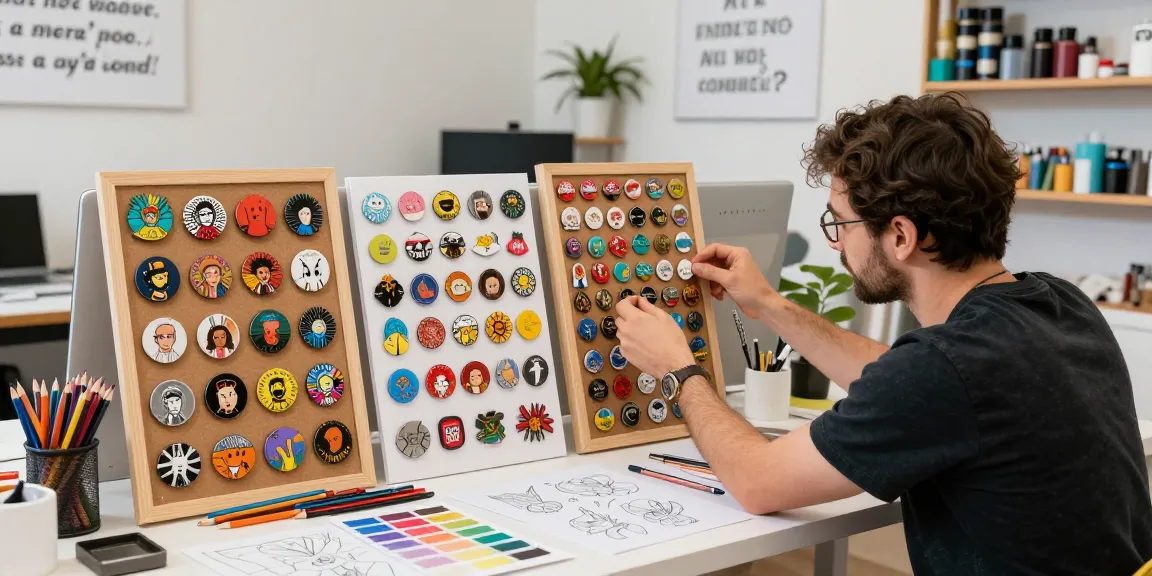
Custom pins are small items typically worn on clothing, hats, bags, or attached to other accessories. They can be made from various materials, including metal, enamel, acrylic, and wood. The versatility of custom pins allows for endless design possibilities. Businesses and organizations frequently use them for branding, while individuals often create them for personal expression, commemorating events, or supporting causes.
The Appeal of Custom Pins in 2026
As we approach 2026, the appeal of custom pins continues to grow, influenced by several key trends:
- Personalization: Today’s consumers are increasingly seeking unique, personalized items that reflect their identity and values. Custom pins provide a canvas for individual expression, allowing users to showcase their style and interests.
- Collectibility: People enjoy collecting items that hold personal significance. Custom pins are becoming popular collectibles, with many individuals amassing collections reflecting their hobbies, travels, or affiliations.
- Promotional Power: For brands, custom pins serve as effective marketing tools. They not only enhance brand visibility but also connect the audience with the brand on an emotional level, making them a valuable addition to promotional campaigns.
Different Types of Custom Pins Available
The variety of custom pins available today is extensive, catering to diverse tastes and preferences. Some popular types include:
- Enamel Pins: These pins feature vibrant colors and intricate designs, often used for personal expression or as collectibles.
- Metal Pins: Durable and classic, metal pins are popular for branding and corporate giveaways.
- Acrylic Pins: Lightweight and versatile, acrylic pins can be made in various shapes and sizes, making them perfect for unique designs.
- Button Pins: Ideal for events and campaigns, button pins can be easily customized with logos or messages.
Designing Your Ideal Custom Pins
Creating the perfect custom pin begins with thoughtful design. The design process not only involves creativity but also strategic planning to ensure the pin resonates with its intended audience.
Key Elements to Consider When Designing
When designing custom pins, several key elements should be considered:
- Purpose: Define the pin’s purpose clearly. Is it for branding, personal celebration, or promoting a cause? The purpose will guide your design choices.
- Style: Choose a style that aligns with your brand or personal identity. Whether it’s sleek and modern or playful and colorful, your choice should reflect the message you want to convey.
- Colors: Colors evoke emotions and can significantly impact how your pin is perceived. Select colors that resonate with your audience and the intended message.
Common Mistakes to Avoid in Custom Pin Design
While designing custom pins can be enjoyable, it’s important to avoid common pitfalls:
- Overcomplicating the Design: Keep designs simple and clean. Overly complicated designs can lose detail when scaled down to pin size.
- Ignoring Audience Preferences: Failing to consider what your audience likes can result in a design that doesn’t resonate or appeal.
- Neglecting Quality: Choosing low-quality materials can lead to a poor final product. Invest in high-quality materials to ensure durability and visual appeal.
Inspirational Design Trends for 2026
As trends evolve, staying updated on design inspirations is vital. In 2026, consider the following design trends:
- Minimalistic Designs: Simple, clean designs are increasingly favored. They are versatile and can match various fashion styles.
- Eco-Friendly Materials: With sustainability becoming more important, consider designs that incorporate recycled or eco-friendly materials.
- Interactive Pins: Incorporating QR codes or AR elements will allow pins to lead to digital experiences, enhancing engagement.
Production Processes for Custom Pins
Getting your custom pins from design to reality involves several production processes that ensure quality and durability.
How Custom Pins Are Manufactured
The manufacturing process for custom pins typically involves several steps, including:
- Design Approval: After design creation, a proof is sent to the customer for approval before production begins.
- Material Selection: Depending on the design and functionality, appropriate materials are selected to match the desired quality.
- Production: Various techniques like die-striking, soft or hard enamel filling, or printing are used depending on the pin type.
- Finishing: Pins are polished, and any additional elements like backings are added to finalize the product.
Selecting the Right Materials for Your Pins
The choice of material can greatly influence the durability and visual impact of your custom pins. Consider these options:
- Metal: Offers a classic look and is very durable, ideal for high-quality pins.
- Enamel: Allows for vibrant colors and intricate designs, making it a popular choice.
- Acrylic: Lightweight and versatile, suitable for unique shapes and designs.
Understanding Different Production Techniques
Different production techniques can result in distinct finishes and styles. Some common methods include:
- Die-Struck: For a crisp finish with raised and recessed areas, ideal for metal pins.
- Soft Enamel: Provides a textured finish and is suitable for more colorful designs.
- Hard Enamel: Delivers a smooth and polished look, perfect for high-end designs.
Marketing Your Custom Pins Effectively
Once you have your custom pins produced, the next step is effective marketing to ensure they reach your target audience.
Identifying Your Target Audience
Understanding who your audience is will greatly influence how you market your custom pins. Consider demographics, interests, and how they might use your pins.
Best Practices for Promoting Custom Pins Online
Online promotion is key for reaching a broader audience. Here are some strategies:
- Leverage Social Media: Platforms like Instagram and Pinterest are great for showcasing visual products like pins.
- Influencer Partnerships: Collaborating with influencers can help reach niche markets effectively.
- Email Marketing: Send targeted emails to past customers announcing new pin designs or collections.
Utilizing Social Media to Boost Engagement
Engaging with customers on social media can significantly enhance brand loyalty. Share user-generated content, pin stories, and run contests to encourage interaction.
The Future of Custom Pins: Trends to Watch
The custom pins industry is evolving rapidly. Here are some trends to keep an eye on in the coming years:
Emerging Technologies in Custom Pin Production
Advancements in technology are paving the way for innovative production methods. 3D printing and laser engraving are becoming more common, allowing for intricate designs and faster production times.
Sustainability Trends in Custom Pin Manufacturing
As society becomes increasingly eco-conscious, the demand for sustainable pin options will rise. Manufacturers are exploring biodegradable materials and eco-friendly production processes.
Forecasting the Custom Pins Market in 2026
With increasing interest in custom products, the market for custom pins is expected to grow significantly. Factors such as social trends, corporate branding needs, and individual expression will drive this growth.
What are the steps to order custom pins?
Ordering custom pins typically involves selecting a manufacturer, submitting your design, approving proofs, and placing your order. Ensure you communicate clearly with your chosen vendor about your needs.
Are there minimum order quantities for custom pins?
Many manufacturers have minimum order quantities (MOQ), which can vary widely. It’s essential to inquire about these limits when selecting a provider.
What materials can be used for custom pins?
Custom pins can be made from a variety of materials, including metal, enamel, acrylic, and even wood, each providing its unique finish and durability.
How long does it take to produce custom pins?
Production times for custom pins can vary based on the manufacturer and order complexity. Typically, expect a timeframe ranging from a few days to several weeks.
Can I return custom pins if I’m not satisfied?
Policies on returns vary by manufacturer. It’s important to discuss this with your vendor before placing an order to understand their satisfaction guarantees.