

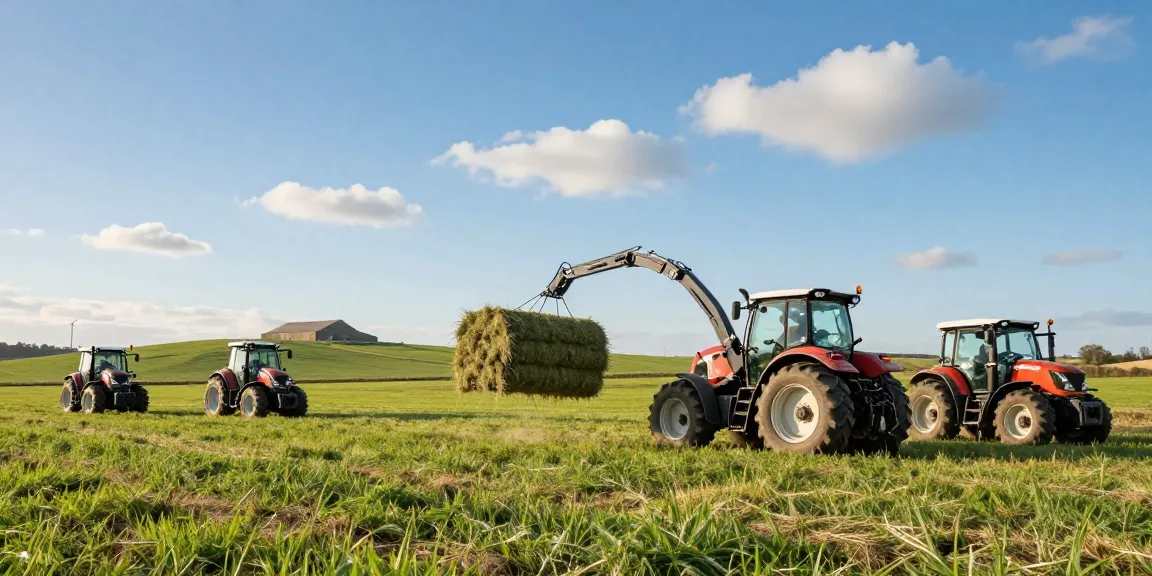
Understanding Electric Farm Loaders
Electric farm loaders are revolutionizing the agricultural industry by offering a cleaner and more efficient alternative to traditional diesel-powered machinery. As farms increasingly adapt to sustainable practices, electric loaders are gaining traction due to their zero-emissions performance and lower operating costs. These machines are particularly valuable in tasks such as hauling, lifting, and material handling in various agricultural settings.
What is an Electric Farm Loader?
An electric farm loader is a type of material handling equipment specifically designed for farming tasks. Unlike traditional loaders that rely on internal combustion engines, these loaders use electric motors powered by rechargeable batteries, which significantly reduce environmental impact. They come equipped with various attachments and can be used for a wide range of applications, from moving feed and fertilizer to transporting harvested crops.
Key Features and Benefits of Electric Loaders
- Zero Emissions: Electric loaders produce no harmful emissions, making them an eco-friendly choice for modern farms.
- Lower Operating Costs: With fewer moving parts than conventional loaders, electric machines require less maintenance and have lower fuel costs.
- Quieter Operation: Electric loaders operate with significantly less noise, which can be beneficial for both workers and nearby livestock.
- Enhanced Performance: Electric motors provide consistent power and torque, making these loaders highly capable of handling various farming tasks.
Comparing Electric and Traditional Loaders
When analyzing the differences between electric and traditional loaders, several factors come into play, including cost, maintenance, and environmental impact. Electric loaders, while initially more expensive, often prove more economical in the long run due to lower maintenance and operational costs. Additionally, they align with sustainable farming practices by reducing greenhouse gas emissions.
Choosing the Right Electric Farm Loader
Selecting the ideal electric farm loader requires careful consideration of various factors. The decision may significantly affect operational efficiency and productivity. When exploring options, electric farm loader specifications and functionality should be evaluated to best meet specific agricultural needs.
Factors to Consider When Selecting a Loader
- Load Capacity: Determine the weight and volume of materials you need to handle to choose a loader with adequate capacity.
- Battery Life: Assess the battery life and charging time; longer battery durations are essential for extended work hours.
- Attachments: Consider the availability of various attachments that enhance the versatility of the loader for different tasks.
Top Models of 2026 to Consider
As we enter 2026, several electric farm loader models stand out for their advanced features and performance. Notable options include:
- TXLT132PRO Electric Telescopic Loader: Known for its robust lifting capacity and extended reach, this model is ideal for demanding agricultural tasks.
- Electric Walkie Stacker: This model excels in material handling tasks, offering both high lifting capacity and maneuverability.
Understanding Warranty and Support Options
When investing in an electric loader, it is essential to understand the warranty and support options available. Many manufacturers offer comprehensive warranties covering key components and provide ongoing support, including maintenance services and parts availability.
Operational Efficiency with Electric Loaders
Maximizing the operational efficiency of electric farm loaders is critical for enhancing productivity on the farm. Implementing best practices can lead to significant improvements in performance.
Best Practices for Using Electric Farm Equipment
- Regularly perform maintenance checks to ensure all components are functioning correctly.
- Operators should be trained effectively to maximize the capabilities of the loader and ensure safety practices are followed.
Maximizing Battery Life and Performance
To get the most out of your electric loader, it is crucial to understand how to extend its battery life. This includes proper charging practices, avoiding deep discharges, and maintaining optimal operating temperatures for the battery.
Common Maintenance Tips for Longevity
- Inspect electrical connections regularly to prevent corrosion and ensure a stable power supply.
- Keep the loader clean to avoid dirt accumulation, which can affect performance.
Innovations in Electric Farming Equipment
The field of electric farm machinery is ever-evolving, with advancements in technology leading to improvements in efficiency and productivity.
Emerging Technologies for Electric Loaders
Innovations such as regenerative braking systems and advanced battery technologies are making electric loaders more efficient. These features enhance energy recovery during operation, thus extending battery life and improving overall performance.
Future Trends in Electric Farm Machinery
Looking ahead, the trend towards automation and smart farming solutions is expected to grow. Electric loaders integrated with IoT systems can provide real-time data analytics to improve operational decision-making.
Impact of Automation on Farming Efficiency
Automation technologies are significantly improving farming efficiencies, allowing for precise data-driven decisions and optimized resource management. As electric loaders become part of these automated systems, they will likely play an essential role in future agricultural practices.
Real-World Case Studies and Applications
Understanding how electric farm loaders perform in real-world scenarios can provide valuable insights for potential buyers.
Successful Implementation in Modern Farms
Numerous farms have successfully integrated electric loaders into their operations, resulting in improved efficiency and significant cost savings. For example, farm A reported a 30% reduction in fuel costs after switching to electric loaders.
Case Study: Increased Productivity with Electric Loaders
Another case study highlighted a farm that improved productivity by 25% after utilizing electric loaders for material handling tasks, allowing for quicker turnaround times and improved workflow.
Feedback from Users: What Farmers Are Saying
Feedback from users reinforces the benefits of electric loaders. Many farmers appreciate the lower running costs and the reduced noise levels, which create a more pleasant working environment.
What are the cost advantages of electric farm loaders?
Electric farm loaders typically have a higher upfront cost than their diesel counterparts; however, the long-term savings in fuel and maintenance often outweigh the initial investment. Lower operating costs lead to better profit margins.
How do electric loaders compare to diesel models?
While diesel loaders might offer higher immediate power, electric loaders provide advantages in terms of sustainability, maintenance ease, and lower emissions, making them more appealing as environmental regulations tighten.
What maintenance is required for electric farm loaders?
Maintenance for electric loaders involves regular inspections of battery health, checking electrical connections, and ensuring clean working conditions to avoid wear and tear.
Are electric loaders suitable for all types of agricultural work?
Electric loaders are versatile and can handle many tasks; however, the suitability for specific applications may depend on the weight requirements and the duration of operation needed.
What are the environmental benefits of using electric farm loaders?
By producing zero emissions, electric farm loaders contribute to a reduction in air pollution and greenhouse gas emissions, aligning with global sustainability initiatives.