Understanding Stress and Anxiety
What Are Stress and Anxiety?
Stress and anxiety are natural responses that can protect us from danger. Stress typically arises from external pressures, such as deadlines, exams, or life changes, while anxiety is often a more internal experience that can manifest without immediate triggers. According to the National Institute of Mental Health, anxiety disorders are among the most common mental health issues, affecting millions of people globally. The relationship between stress and anxiety is complex; chronic stress can lead to or exacerbate anxiety disorders. Understanding these terms helps us discern the subtle yet vital differences between them, allowing us to approach coping strategies effectively.
Common Causes of Stress and Anxiety
Stress and anxiety can arise from a myriad of sources, both external and internal. Some common causes include:
- Work-related pressures like deadlines and job instability.
- Personal life challenges, including relationships and family dynamics.
- Major life events such as moving, marriage, or loss.
- Financial problems stemming from unpaid bills or debt.
- Health concerns like chronic illness or injury.
Recognizing these triggers is crucial for developing effective coping strategies. Insights into your stressors can lead to better emotional regulation and mindfulness practices.
Effects of Stress and Anxiety on Health
Chronic stress and anxiety can have severe repercussions on physical and mental health. Research indicates that prolonged exposure to stress hormones can weaken the immune system, increasing susceptibility to illness. This leads to a range of health issues, including:
- Cardiovascular problems, such as high blood pressure and heart disease.
- Mental health disorders, including depression and anxiety disorders.
- Gastrointestinal issues, reflecting symptoms like irritable bowel syndrome.
- Chronic pain conditions.
Moreover, stress and anxiety can significantly impact sleep quality, leading to fatigue and reduced concentration. The importance of understanding these effects cannot be overstated, as they emphasize the need for proactive measures in managing stress and anxiety.
Identifying Your Triggers
Self-Assessment Techniques
Identifying your personal triggers is a vital first step in managing stress and anxiety. Self-assessment techniques can range from simple checklists to more structured inventories, such as stress scales. Regularly evaluating your mental state can reveal patterns in how you respond to certain stimuli. Set aside time each week to assess your emotional responses, and consider what external factors contributed to those feelings.
Journaling for Insight
Journaling is an excellent way to foster insight into your feelings and behaviors. Keeping a daily log can help you identify recurring themes or situations that heighten your stress and anxiety. When journaling, focus on:
- Your thoughts and feelings in specific situations.
- The physical reactions associated with those emotions.
- Your coping mechanisms and their effectiveness.
Over time, your journal provides a clearer picture of your emotional landscape, empowering you to address your triggers more effectively.
Recognizing Patterns in Your Life
Many people experience patterns of stress and anxiety in their lives. These patterns may reveal underlying issues that demand attention. Take note of the situations that repeatedly lead to these feelings. Are they tied to specific individuals, environments, or tasks? Recognizing these patterns can help you take proactive steps to reduce exposure to high-stress triggers or develop strategies to face them with resilience.
Practical Coping Strategies
Mindfulness and Meditation Techniques
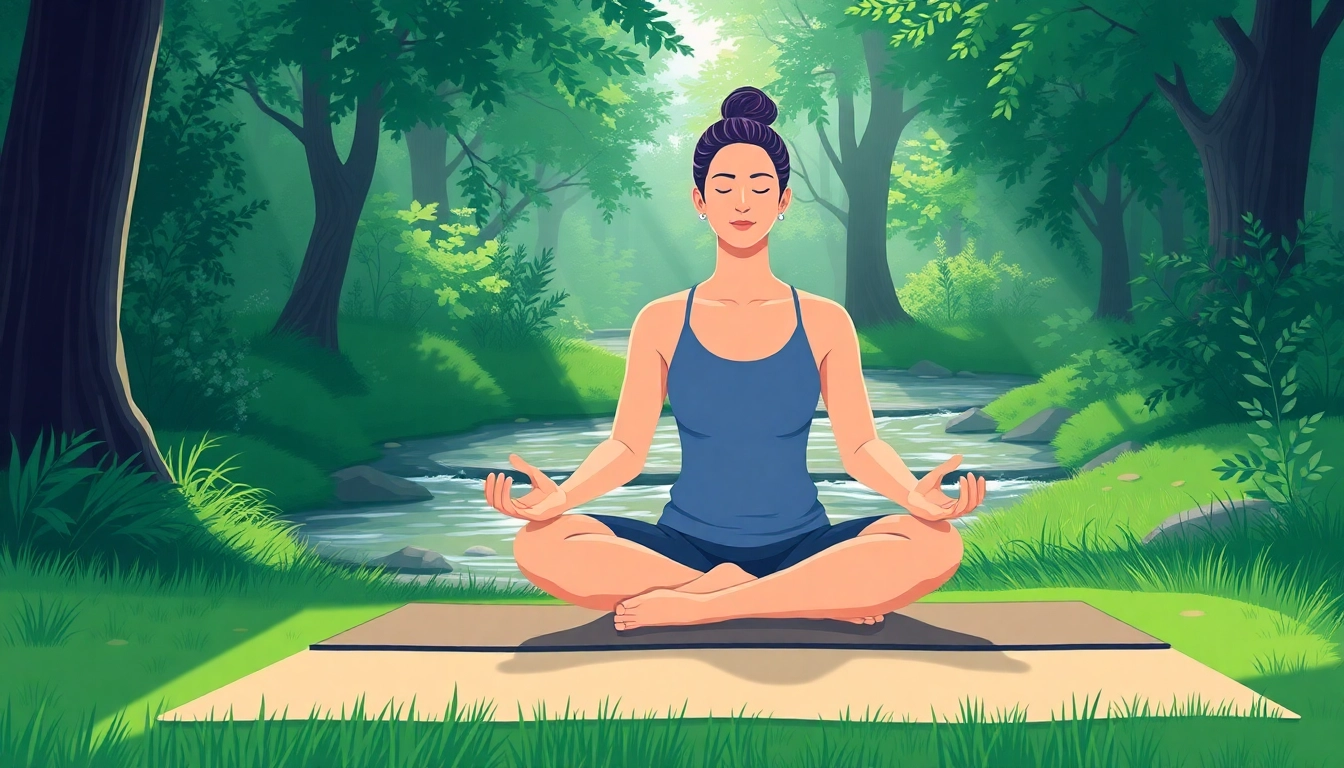
Mindfulness and meditation have gained popularity as effective tools for managing stress and anxiety. These techniques allow individuals to anchor themselves in the present moment, reducing negative thinking patterns. Here’s how to get started:
- Focus on your breath: Spend a few minutes practicing deep breathing exercises. Inhale deeply, hold for a count of four, and exhale slowly.
- Guided meditations: Use apps or online videos to follow guided sessions tailored for stress relief.
- Body scans: Practice tuning in to different parts of your body to relieve tension and promote relaxation.
Implementing these mindfulness techniques into your daily routine can lead to lasting changes in your stress management approach.
Physical Exercise to Combat Stress and Anxiety
Physical activity is one of the most effective ways to combat stress and anxiety. Regular exercise releases endorphins, which enhance mood and promote a sense of well-being. Consider integrating these activities into your routine:
- Cardiovascular exercises: Activities like running, cycling, or swimming boost heart rate and release stress-relieving hormones.
- Strength training: Building physical strength can also enhance mental resilience.
- Yoga and pilates: These practices fuse movement with mindfulness, fostering both physical and emotional balance.
Establishing a consistent exercise routine is instrumental not just for physical health, but for managing stress and anxiety.
Breathing Exercises for Immediate Relief
Breathing exercises can provide immediate relief from acute stress and anxiety. They help to calm the nervous system and promote relaxation. Simple techniques include:
- 4-7-8 Breathing: Inhale for a count of four, hold for seven, and exhale for eight seconds.
- Box Breathing: Visualize a box; inhale for four counts, hold for four, exhale for four, and pause for four.
- Equal Breathing: Inhale and exhale for the same length, focusing on maintaining a steady rhythm.
These exercises can be done anywhere, making them a practical tool to have at your disposal during stressful moments.
Building a Support System
Finding Professional Help
Sometimes, self-help strategies may not be enough to tackle overwhelming stress and anxiety. Seeking professional help can provide a structured approach to managing these feelings. Consider the following options:
- Therapists and counselors: A licensed professional can help guide you through your mental health journey.
- Support groups: These groups connect you with others facing similar challenges.
- Psychiatrists: For some, medication may be a necessary component of treatment.
Understanding when to seek professional assistance is crucial for long-term health and recovery.
Connecting with Support Groups
Support groups create a safe space for individuals to share experiences and coping mechanisms. Whether in-person or online, these communities can offer valuable emotional support. Look for groups that focus on stress and anxiety management, where individuals can share stories and strategies. The connection felt in these groups can help reduce feelings of isolation, fostering resilience and hope.
Engaging with Friends and Family
Your personal relationships play a critical role in your mental health. Engaging friends and family provides an essential support network when navigating through challenging times. Maintain open communication about your feelings. Remember, it’s okay to seek help from the people who care about you. Exploring hobbies together or simply spending quality time can also serve as excellent stress relief.
Monitoring Progress and Staying Resilient
Setting Realistic Goals
Setting realistic goals is crucial for managing stress and anxiety over time. Begin by creating short-term goals that are attainable, such as practicing mindfulness for a few minutes daily or exercising three times a week. Building on these small victories can empower you and build momentum toward larger goals, ultimately enhancing your overall mental well-being.
Reflecting on Your Journey
Pacing yourself throughout your mental health journey is essential. Regularly reflect on your progress—what strategies helped? Which obstacles did you overcome? Utilizing your journal for reflection sessions can help contextualize your experiences, allowing you to celebrate successes and acknowledge areas needing improvement.
When to Seek Additional Help
Recognizing when additional help is required is an essential skill. If you notice persistent feelings of distress, a lack of interest in once-loved activities, or a decline in your physical health, it may be time to consult with a mental health professional. Your well-being is paramount, and seeking help is a sign of strength, not weakness.
Frequently Asked Questions
What are some common symptoms of stress and anxiety?
Common symptoms can include irritability, fatigue, difficulty concentrating, sleep disturbances, and physical symptoms like headaches or stomach aches.
How can mindfulness help reduce stress and anxiety?
Mindfulness encourages living in the moment, which can help reduce rumination on past issues or worrying about the future, thus decreasing overall stress and anxiety levels.
What type of exercise is best for managing stress?
Any form of physical activity, including cardio, yoga, and strength training, can effectively reduce stress. Choose activities you enjoy to sustain motivation.
How often should I seek professional help for stress and anxiety?
The frequency can vary based on individual needs. Regular check-ins with a therapist or counselor can help maintain progress and provide ongoing support.
Can stress and anxiety be treated without medication?
Yes, many individuals manage stress and anxiety through therapy, lifestyle changes, coping strategies, and support networks without medication.